Outcome
Year
Industry
Habit.immo is a forward-thinking residential real estate platform designed to transform the stressful, transactional experience of finding a home into a guided, trustworthy, and habitual journey. This case study examines the human-centered design process and habit-forming brand strategy that positions the platform not just as a search tool, but as an indispensable daily companion for life's biggest transitions.
Process & Approach
The design process was built on the understanding that finding a home is deeply emotional, high-stakes, and fragmented across many sources of truth.
Foundational User Research: The process began with immersive research—interviews, diary studies, and journey mapping with people actively searching for homes. This highlighted core anxieties: information overload, distrust in listing accuracy, and the paralyzing fear of missing out (FOMO).
Habit-Centric Strategy Development: Parallel to UX research, brand strategy focused on embedding Habit.immo into the user's daily routine. The goal was to become the trusted "first check" of the day, leveraging the psychological Cue-Routine-Reward loop. The cue could be a morning coffee, the routine is checking the app, and the reward is the feeling of being informed and in control.
Information Architecture & Trust Scaffolding: We structured the platform to combat information chaos. Complex data (neighborhood safety, school zones, commute calculators) was distilled into intuitive, actionable insights. A primary design pillar was "Radical Transparency," surfacing data provenance and listing verification status at every turn.
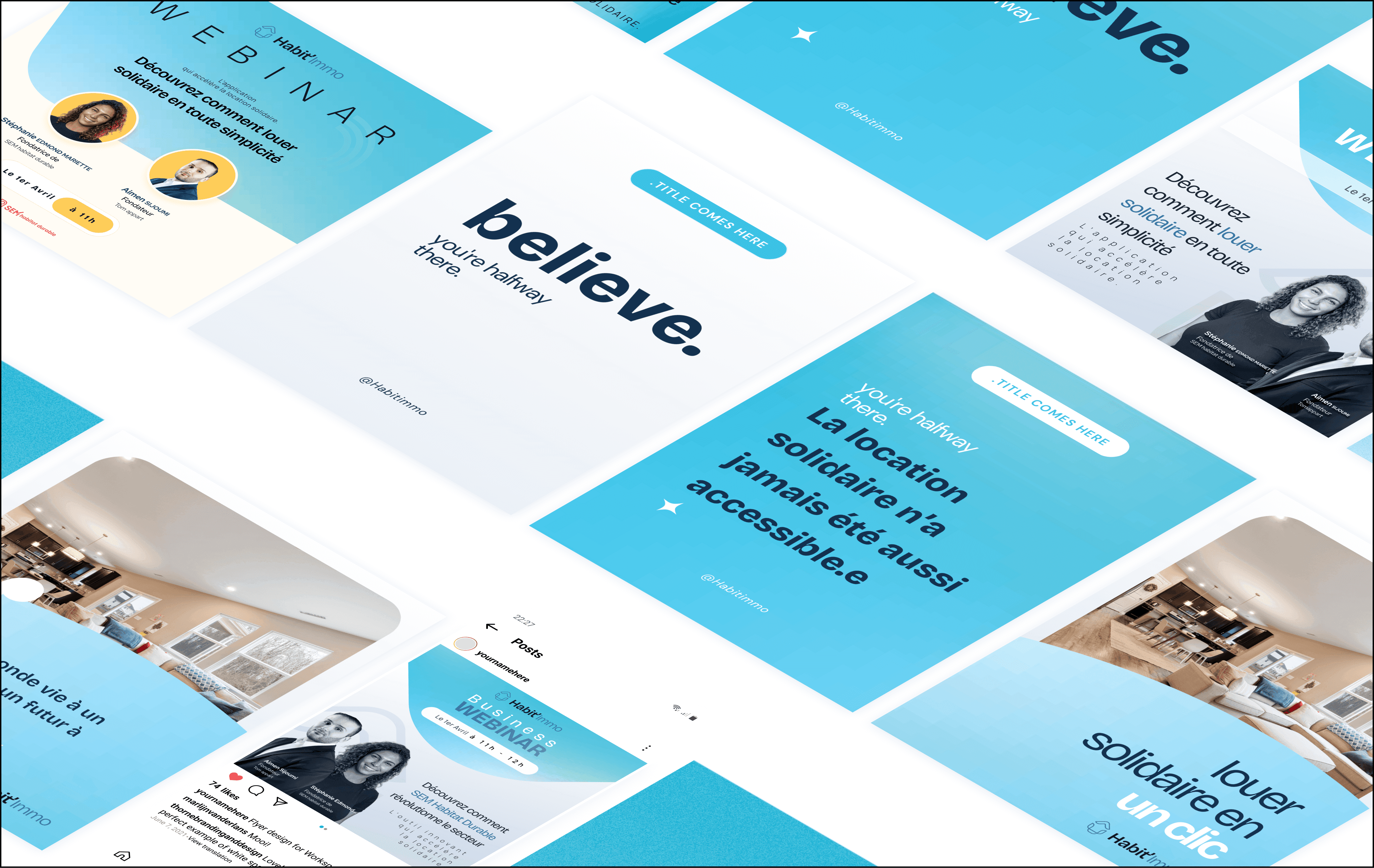
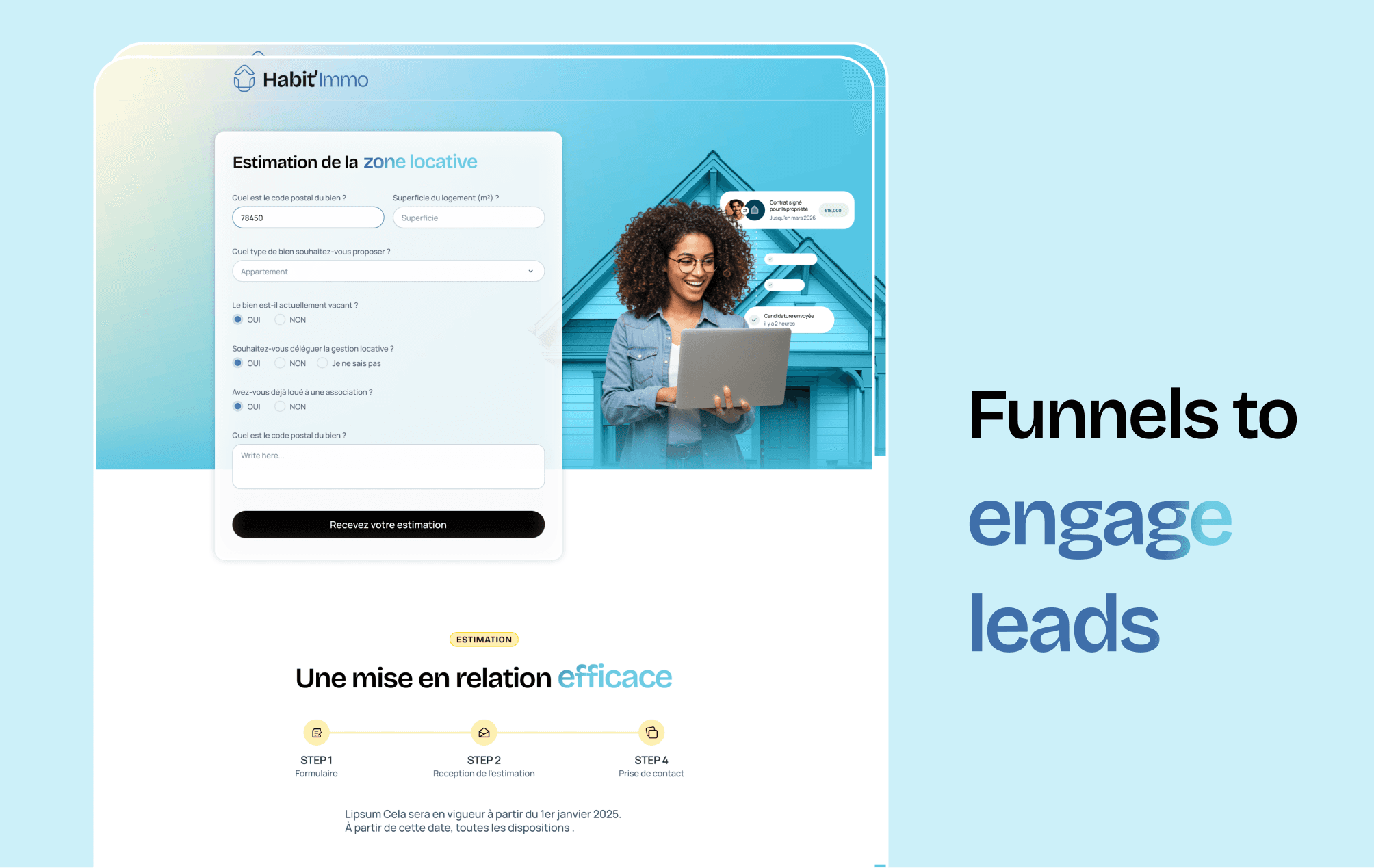
Cross-Channel Experience Design: The user experience was designed to flow seamlessly from the web app to marketing touchpoints (email digests, social content, push notifications), ensuring a consistent narrative and reinforcing daily engagement.
Design System Story
The Habit.immo interface is a calm, confident guide in a chaotic market.
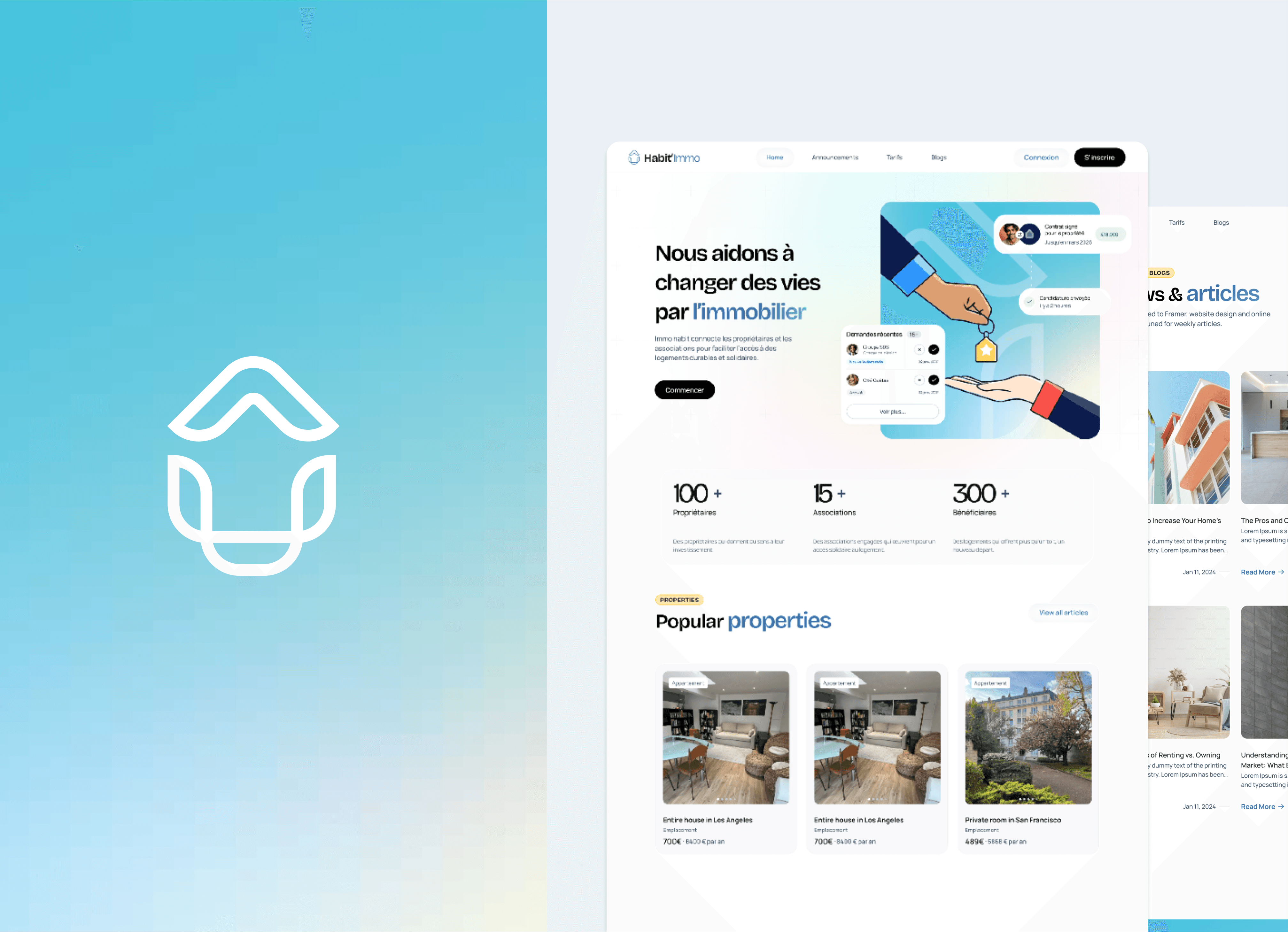
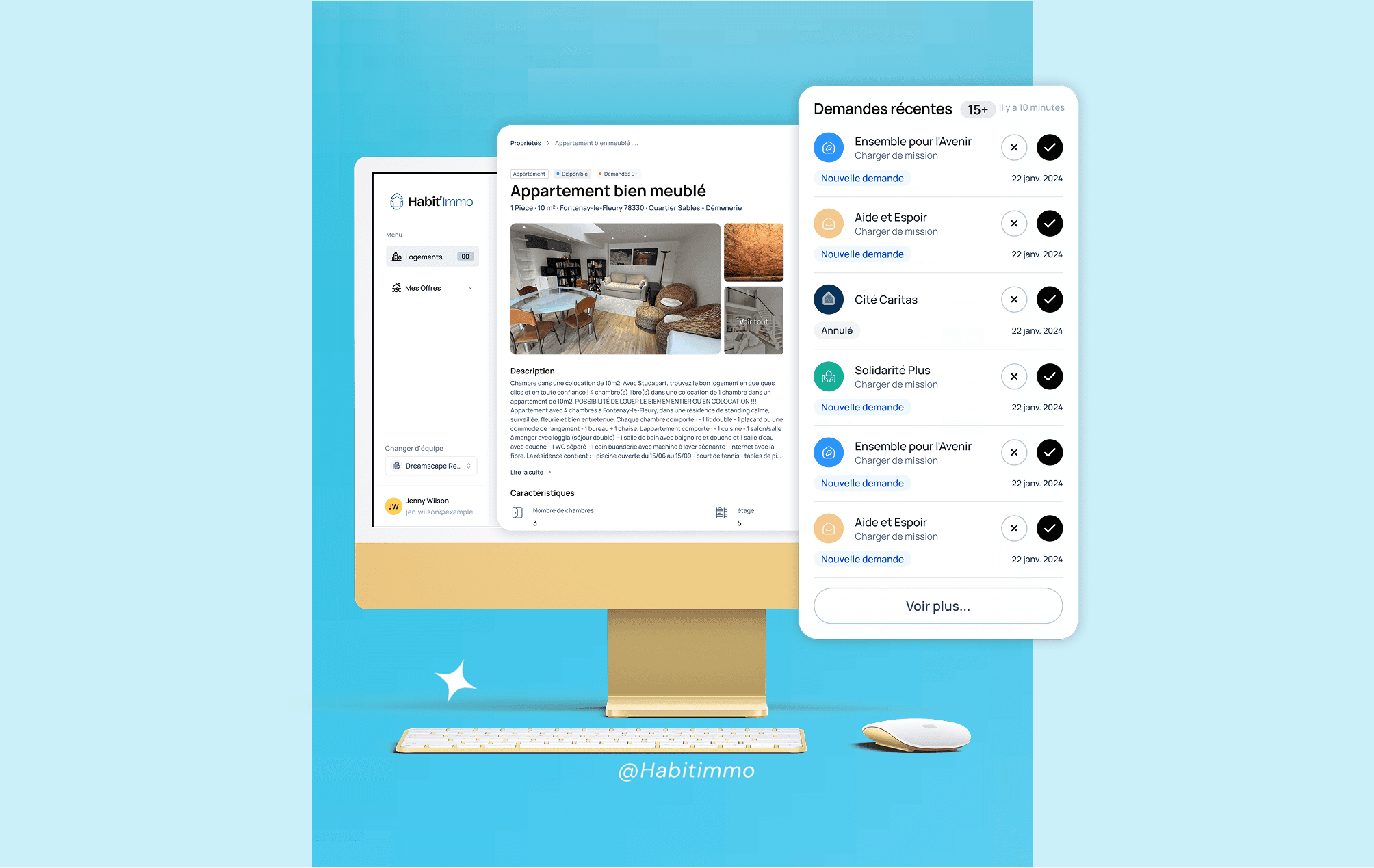
The Calm Dashboard: Unlike competitors' overwhelming grids, the homepage is a personalized digest. It highlights new listings that precisely match saved criteria, updates on viewed properties, and gentle nudges about next steps in the search journey.
Narrative-Driven Listings: Each property tells a story beyond specs. The UI integrates high-quality images, verified virtual tours, and layered neighborhood insights (community reviews, ambient noise maps, weekend activity guides).
Progress & Accomplishment Framework: The design incorporates subtle gamification to make progress tangible. Saving a favorite, completing a neighborhood deep-dive, or scheduling a tour are framed as positive steps, providing small rewards that encourage continued engagement.
Adaptive Transparency: The system intelligently surfaces information based on user role (renter vs. buyer, first-timer vs. investor) and journey stage (early browsing vs. ready to tour). Legal and process guides are presented contextually, not as a monolithic FAQ.
DesignOps & BrandOps Implementation
To ensure consistency, we established unified operations.
Unified Content & Component Library: A single source of truth in Figma for both UI components (listing cards, map modules) and marketing asset templates (social post frames, report covers).
Brand Voice & UX Copy Guide: A comprehensive guide ensuring the tone from an error message in the app to a market report PDF is consistently helpful, clear, and empowering.
Feedback Loop Integration: User interactions with marketing content (e.g., clicking on a "First-Time Buyer Guide" in an email) are treated as research signals to refine the in-app experience.
Impact & Results
Increased Daily Engagement: By becoming a source of trusted, personalized information, the platform aims to increase daily active users, moving beyond sporadic, stressful searches.
Enhanced Trust Metrics: Target significant improvement in user survey scores for "trust in listing accuracy" and "feeling informed."
Higher Conversion Quality: The focus on qualified, habit-driven users aims to increase the ratio of serious inquiries to passive clicks, providing more value to partner agents.
Brand Differentiation: Position Habit.immo not as another listing aggregator, but as the intelligent, empathetic guide in the real estate market.
Key UX & Brand Insights
Trust is the Primary Feature: In real estate, every design decision must first answer, "Will this build or erode trust?" Transparency is a more powerful filter than price.
Design for Life Transitions: People are most open to new habits during periods of change. Habit.immo's mission is to be the steady guide during the stressful transition of moving.
Consistency is Brand Equity: Showing up daily with valuable content—whether in-app notifications or educational social posts—builds familiarity and authority more than any major campaign.
Empower, Don't Overwhelm: The UX must manage cognitive load by progressively disclosing information and turning complex data into simple, confident insights.